
Overpricing your home
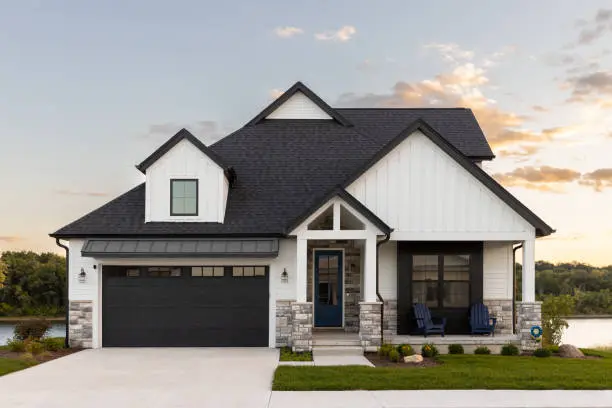
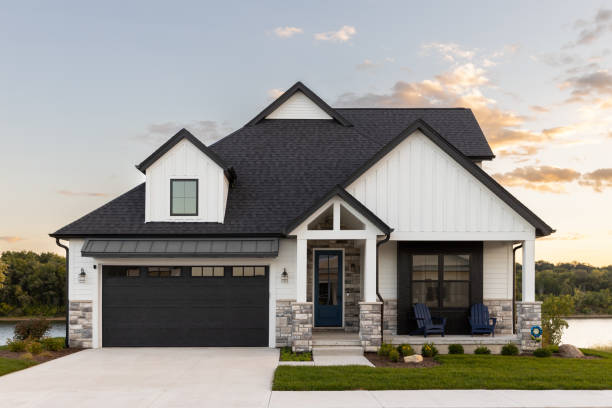
When it comes to selling a home, every seller wants to get the best possible price. However, one of the most common mistakes homeowners make is overpricing their property. While it might seem like a good strategy to start with a high asking price, this approach can backfire in several ways, ultimately leading to longer time on the market and potentially selling for less than if the home had been priced correctly from the start.
One of the primary reasons sellers overprice their homes is emotional attachment. Homeowners often have a sentimental connection to their property, which can cloud their judgment when it comes to determining its true market value. While it's natural to feel that your home is worth more because of the memories and experiences you've had there, buyers are looking at it through an objective lens. They are comparing your home to others on the market and will base their decisions on facts and figures rather than emotions.
Another factor contributing to overpricing is misinformation or lack of understanding about the current real estate market. Real estate markets are dynamic and can change rapidly due to various factors such as economic conditions, interest rates, and local developments. Sellers who are not up-to-date with these changes may set their asking price based on outdated information or unrealistic expectations.
Overpricing can also stem from advice given by well-meaning friends or family members who might not have a clear understanding of the market dynamics. While they may have your best interests at heart, relying solely on anecdotal advice rather than professional input can lead to setting an unrealistic price.
The consequences of overpricing your home can be significant. The most immediate effect is that it will deter potential buyers. In today's digital age, buyers have access to vast amounts of information and can easily compare prices of similar properties in your area. If your home is priced significantly higher than comparable listings, it will likely be overlooked in favor of more reasonably priced options.
Moreover, homes that stay on the market for extended periods often develop a stigma. Buyers may assume that there is something wrong with the property or that the seller is desperate, which can lead them to make lower offers. The longer your home sits unsold, the more likely you are to face pressure to reduce the price significantly.
To avoid these pitfalls, it's crucial for sellers to work with a knowledgeable real estate agent who understands the local market conditions and can provide a realistic assessment of your home's value. A professional agent will conduct a comparative market analysis (CMA) to evaluate similar properties in your area that have recently sold or are currently on the market. This data-driven approach ensures that your asking price is competitive and attractive to potential buyers.
In addition to pricing correctly from the start, sellers should also consider making any necessary repairs or improvements before listing their property. A well-maintained home in good condition can justify a higher asking price and attract more interest from buyers.
In conclusion, while it may be tempting to set a high asking price for your home in hopes of maximizing profit, overpricing can lead to longer time on the market and ultimately result in lower offers. By working with a professional real estate agent and setting a realistic price based on current market conditions, you increase your chances of selling quickly and at a fair price. Remember, pricing your home correctly from the beginning is one of the most important steps you can take towards a successful sale.